
Chapter Content
The VK Business Model & Early Scaling
7.1 Monetization Models: Virtual Goods & Targeted Ads
In its early years, VKontakte minimized intrusive display banner advertising to preserve fast loading times and clean interface aesthetics. To generate revenue as traffic scaled into tens of millions of users, the company introduced a virtual goods economy based on virtual currency ('Votes' / *Голоса*).
Users purchased Votes through SMS billing, payment terminals, and bank cards to send virtual gifts, participate in social games, and boost visibility. As the platform matured, VK developed its own targeted advertising platform, allowing businesses to advertise to specific demographic and interest groups.
   [User Engagement] ---> Virtual Goods, Games & SMS-billed 'Votes'
            |
            v
   [Targeted Ad Platform] ---> Contextual, non-intrusive self-serve ads
            |
            v
[Revenue Reinvestment] ---> Data center servers, high-speed fiber & custom tech stack-- =========================================================================
-- CONCEPTUAL DATABASE SCHEMA: Virtual Currency & Transaction Ledger
-- Illustrative SQL table configuration for user rating adjustments and points
-- =========================================================================
CREATE TABLE IF NOT EXISTS vk_votes_ledger (
transaction_id BIGINT AUTO_INCREMENT PRIMARY KEY,
sender_id INT NOT NULL,
recipient_id INT NOT NULL,
votes_amount INT NOT NULL,
rating_bonus DECIMAL(8,2) DEFAULT 0.00,
transaction_timestamp TIMESTAMP DEFAULT CURRENT_TIMESTAMP,
INDEX (sender_id, transaction_timestamp),
INDEX (recipient_id, transaction_timestamp)
) ENGINE=InnoDB;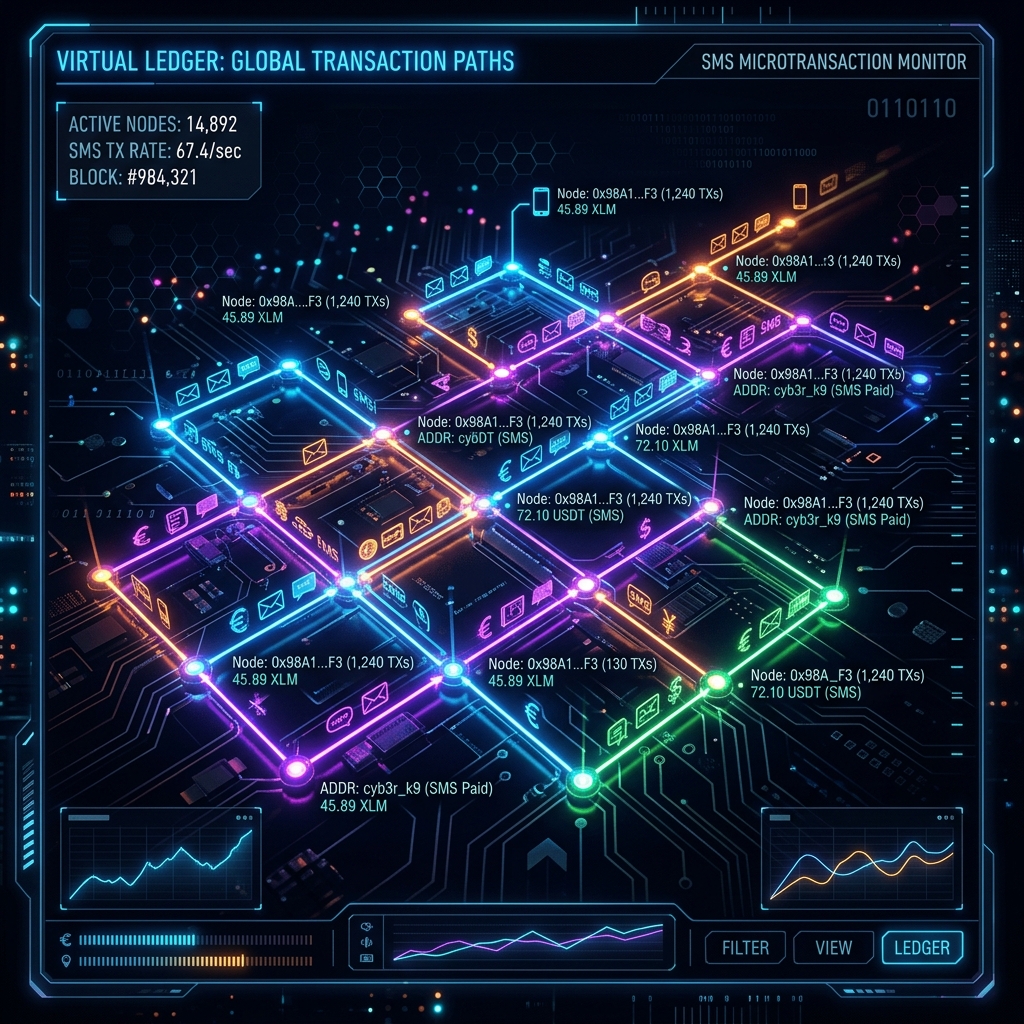
Conceptual architecture showing the integration of carrier SMS payment gateways with user account balances and digital services.
7.2 Early Infrastructure Challenges
Handling rapid user growth required continuous infrastructure innovation. VKontakte relied heavily on horizontal database sharding, Nginx load balancing, distributed Memcached clusters, and custom backend tools to serve millions of concurrent requests with low latency.