Chapter Content
Modern Monetization: Premium, Ads, Fragment & Stars
26.1 Evolution Toward Financial Sustainability
For its first seven years, Telegram was funded entirely by Pavel Durov's personal capital. As the platform's global user base grew into hundreds of millions of users, operational infrastructure expenses—especially bandwidth transit and global SMS phone verification fees—scaled significantly.
To achieve long-term financial independence without relying on invasive user tracking or selling equity to venture capital funds, Telegram rolled out a diversified monetization strategy beginning in 2021:
   [Telegram Premium]      ---> Optional paid subscription for power users (2022)
   [Telegram Ads Platform] ---> Privacy-first, context-based ads in public channels (2021)
   [Fragment Marketplace]  ---> Collectible username & virtual number auctions on TON (2022)
   [Telegram Stars]        ---> Digital goods currency for Mini Apps & bot ecosystem (2024)
26.2 Key Revenue Streams
1. Telegram Premium (Launched June 2022): A direct-to-consumer subscription offering expanded file upload limits (up to 4GB), faster download speeds, voice-to-text conversion, and exclusive interface features. 2. Telegram Ads Platform: A contextual advertising platform displaying brief, non-targeted sponsored messages in large public one-to-many channels (1,000+ subscribers) without tracking individual user browsing histories or reading private messages. 3. Fragment Marketplace: An auction platform built on the TON blockchain associated with collectible Telegram usernames and collectible phone numbers, and it is also used in certain Telegram Stars / creator-reward withdrawal flows. 4. Telegram Stars (Launched June 2024): A unified virtual currency enabling digital goods and service purchases inside Telegram Mini Apps, compliant with major mobile app store policies.
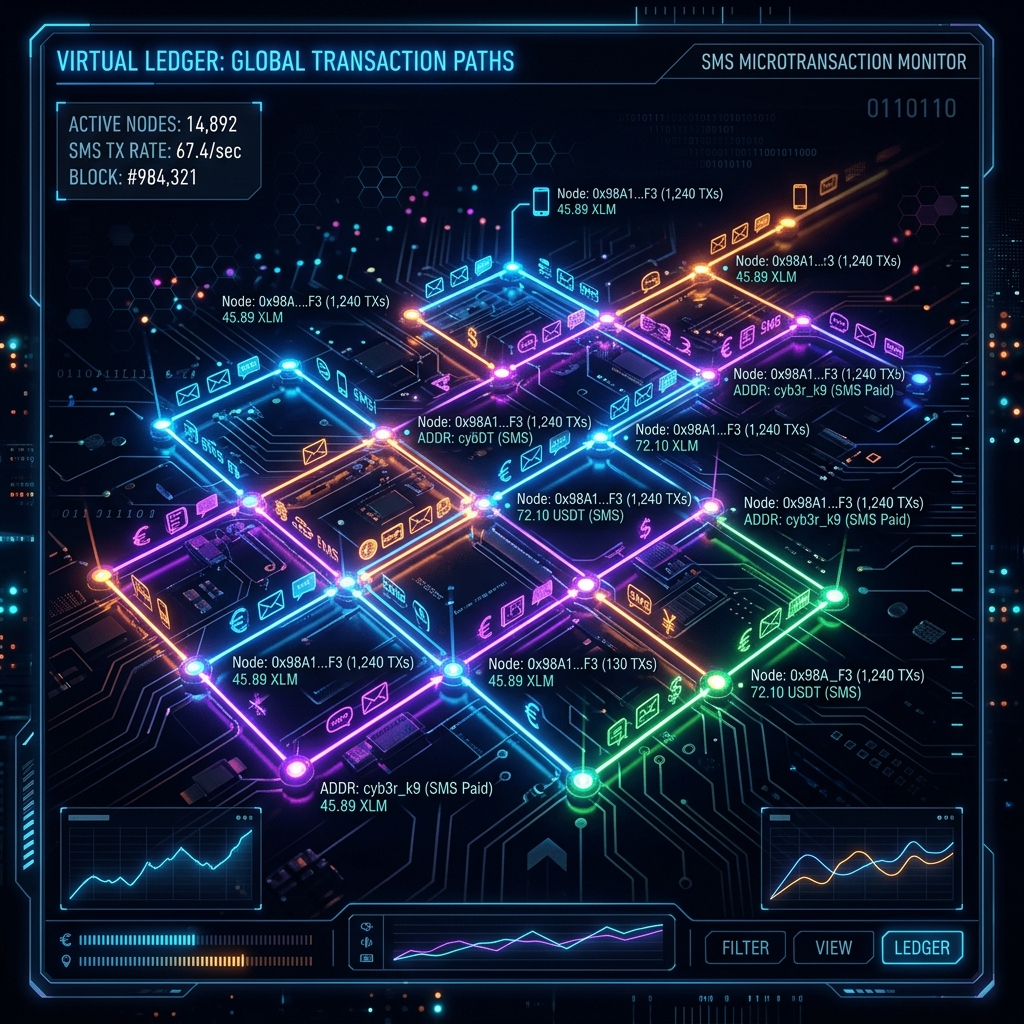
Overview of Telegram's diversified monetization model: Telegram Premium, Telegram Ads, Fragment marketplace, and Telegram Stars.