
Chapter Content
Client-Server Architecture: Open Clients & Cloud Sync
15.1 Open-Source Client Ecosystem & Reproducible Builds
A key component of Telegram's technical philosophy is its open-source client-side software. Telegram's official client applications publish source code under their respective open-source licenses (primarily GNU GPL), and Telegram provides reproducible-build verification for supported platforms.
Reproducible-build procedures allow independent security researchers and developers to compile the client applications directly from the public GitHub repository and compare the resulting binary against published app store builds, verifying that the binary corresponds to the audited open-source codebase.
   [Client-Side Applications]   ===> Published under open-source licenses (primarily GPL)
                                     - Publicly auditable on GitHub
                                     - Supports reproducible-build verification on supported platforms

   [Server-Side Infrastructure]  ===> Proprietary Cloud Architecture
                                     - Closed source backend implementation
                                     - Geodistributed data centers (Europe, Asia, Americas)
                                     - Multi-DC synchronization protocols
15.2 Clarification: Proprietary Backend Infrastructure
It is important to maintain a clear distinction between Telegram's open-source client applications and its cloud backend infrastructure. While the client code is published under open-source licenses, Telegram's complete production server/backend implementation is proprietary and not publicly available.
Consequently, technical descriptions of Telegram's backend represent conceptual models based on public documentation, developer FAQs, API specifications, and official statements by the Durov brothers, rather than an inspection of public server code.
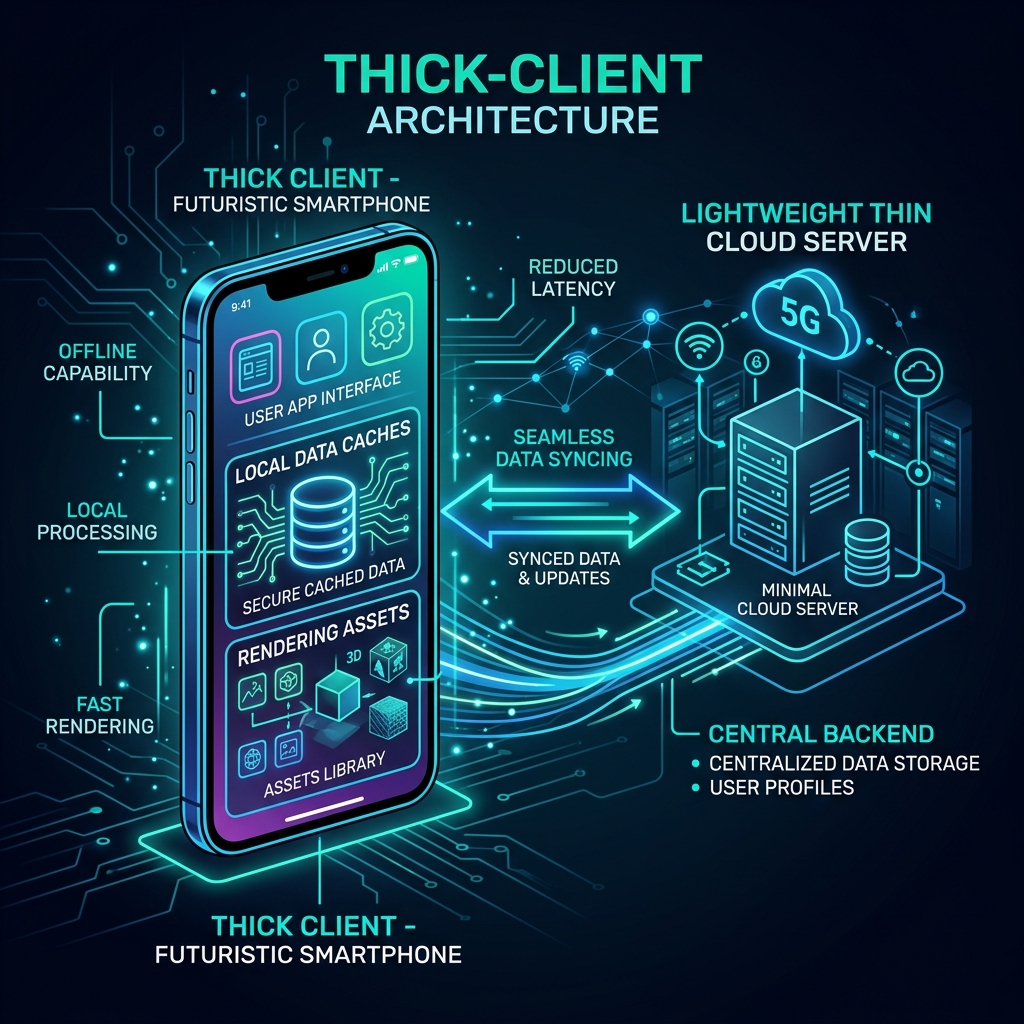
Conceptual model of Telegram's thick client architecture, local SQLite database caches, and binary RPC synchronization.