
Chapter Content
Chapter 13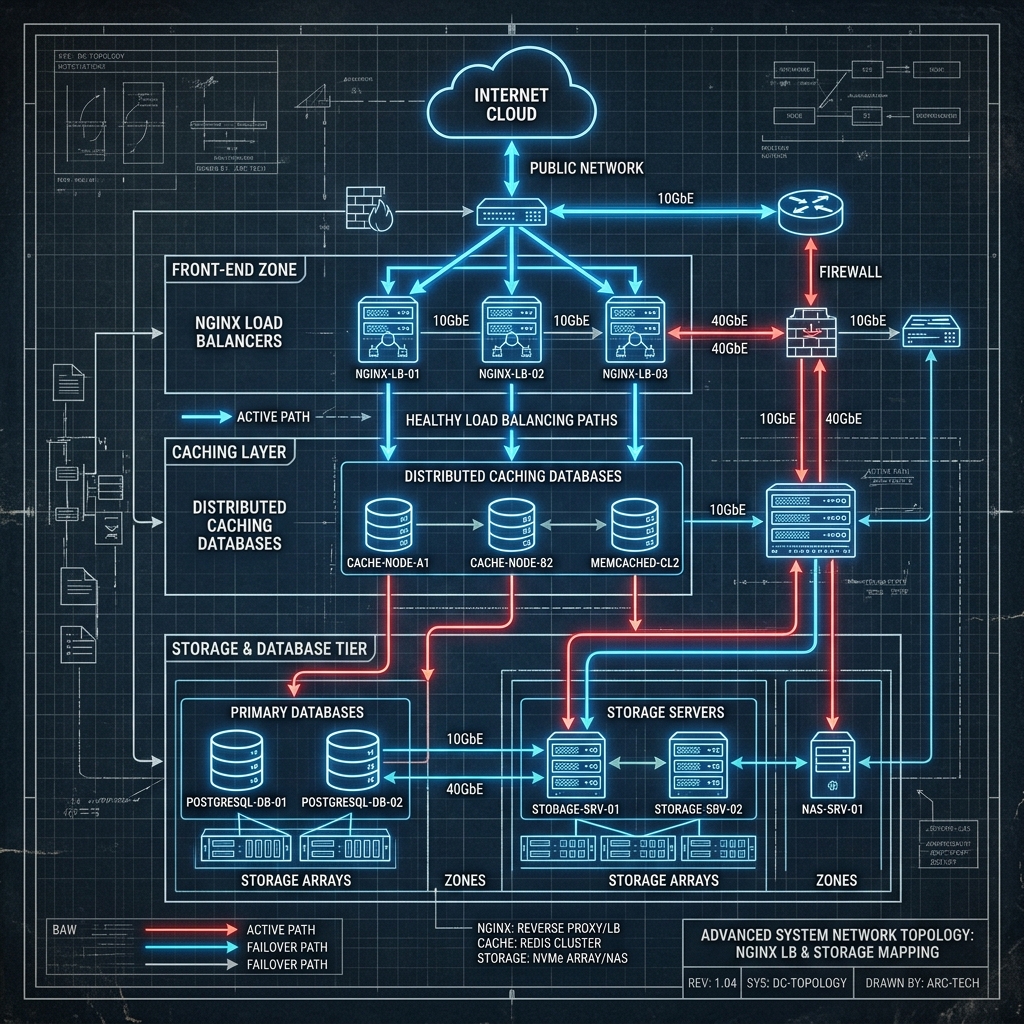
Architectural Principles of High-Throughput Systems
13.1 Key Architectural Lessons from the VK Era
The development and scaling of VKontakte established core engineering principles that later shaped the development of Telegram: 1. Minimalist Core Architecture: Prioritizing low-level performance optimization and custom runtimes over bloated enterprise software stacks. 2. In-Memory First: Keeping high-frequency transactional data in RAM while relying on sequential logging for durability. 3. High-Throughput Compilers: Using compiled native code to maximize CPU efficiency at scale. 4. Small, Elite Engineering Teams: Relying on a compact team of highly skilled engineers rather than large bureaucratic management hierarchies.
CONCEPTUAL PLATFORM TOPOLOGY (VK ERA)
   [Incoming User Request]
              |
              v (HTTPS Ingress)
   [Nginx Load Balancer / Reverse Proxy]
              |
              v (FastCGI / RPC Pipeline)
   [Compiled KPHP Server Runtime Pool]
              |
              +-----------------------+-----------------------+
              v (Custom In-Memory)                            v (Database Shards)
   [RAM Cache & Messaging Index]                   [Partitioned User Tables]
Conceptual System Topology Blueprint
System design layout showing reverse proxies, compiled application instances, and distributed database partitions.